




 Share
Share

Fighting Porcelainberry on the Doan Brook: Students, Science, and Stewardship
The Doan Brook runs through Cleveland and its eastern suburbs, and like so many streams across the Rust Belt, it’s burdened by a long legacy of disturbance. Where industry and infrastructure carved into the land, opportunistic plants moved in. Among the most aggressive is porcelainberry (Ampelopsis brevipedunculata), a fast-growing woody vine that smothers trees and shrubs, blocking light and strangling regeneration.
With support from the Ohio Invasive Plants Council, the Doan Brook Watershed Partnership (DBWP) and Hawken School launched a project this summer to test different management approaches for porcelainberry control. Together with Hawken faculty Nick Fletcher and Claudia Tausz, co-founders of the Hawken Native Plant Society, we set out to design a study that could be both rigorous and hands-on. What makes this project unique is not just the science, but who is carrying it out: students from Hawken School, working side by side with faculty mentors and with a little guidance from our watershed team. Our goal was two-fold: gather data useful for Ohio’s invasive plant assessment process and create a meaningful research experience for young people ready to take on leadership roles in conservation.
The Work on the Ground
Our study plots are tucked into Southerly Park in Shaker Heights, an urban greenspace where porcelainberry has crept across clearings and wrapped itself through thickets of blackberry, false grape, and other shrubby invasives. Faculty and students established 15 test plots: five left as controls, five treated with herbicide, and five managed through manual removal. Over the course of the summer, they collected data on species richness, porcelainberry percent cover, soil moisture, and growth stage. They also documented the sites with both aerial and ground photography.
The work is gritty. Shrubby tangles, muddy soils, and hot June days meant that progress came with scratches and sweat. But that’s part of what makes the research stick. Students aren’t just reading about invasive plants in a textbook. They’re kneeling in the dirt, measuring change one square meter at a time.
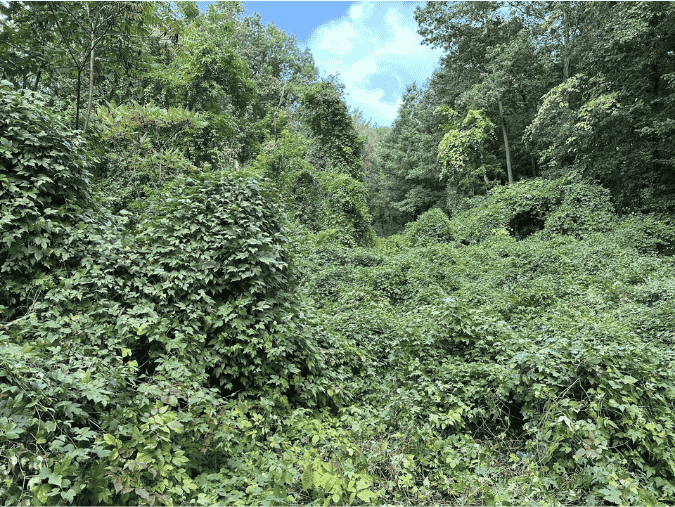
The work is still in progress, but the repeated sampling across June, July, and August is already giving us a clearer picture of how porcelainberry behaves in our watershed. Treatments continued through September. Next spring, we hope to extend the study with another season of monitoring, building a longer record of which management methods are most effective in northeast Ohio.
Already, the students can see how different methods change the understory structure and open space for other species. Just as importantly, they’ve learned that managing invasives isn’t about “one and done” solutions. Sustainable, ecological solutions are built on persistence, adaptation, and community.
The Partnership Model
This project is possible because of a strong partnership between a local nonprofit and a local school. DBWP brings watershed expertise, logistical support, and a platform for community impact. Hawken brings sharp, curious students and faculty leaders committed to hands-on science. Together, we create opportunities for students to step into real-world environmental leadership while producing data that matters for statewide decision-making. It’s a model we believe can be replicated elsewhere: pair students with practicing conservationists, give them meaningful questions, and let them see their work contribute to something larger than themselves.

This fall, our student researchers will share their results at the Doan Brook Watershed Partnership annual meeting. They’ll stand alongside city partners, community members, and other scientists as equal participants in the bigger conversation about land and water. For DBWP, the fight against porcelainberry is one piece of a larger commitment. We’re working on restoration throughout the watershed, monitoring water quality across 15 sites, and building climate resilience through rain gardens, tree plantings, and live stake installations. Tackling porcelainberry helps protect the ecological backbone of those efforts.
-Dr. Mo Drinkard, Executive Director, Doan Brook Watershed Partnership
Click here to read the entire OIPC Fall 2025 Newsletter!
Explore the 2025 Annual Report
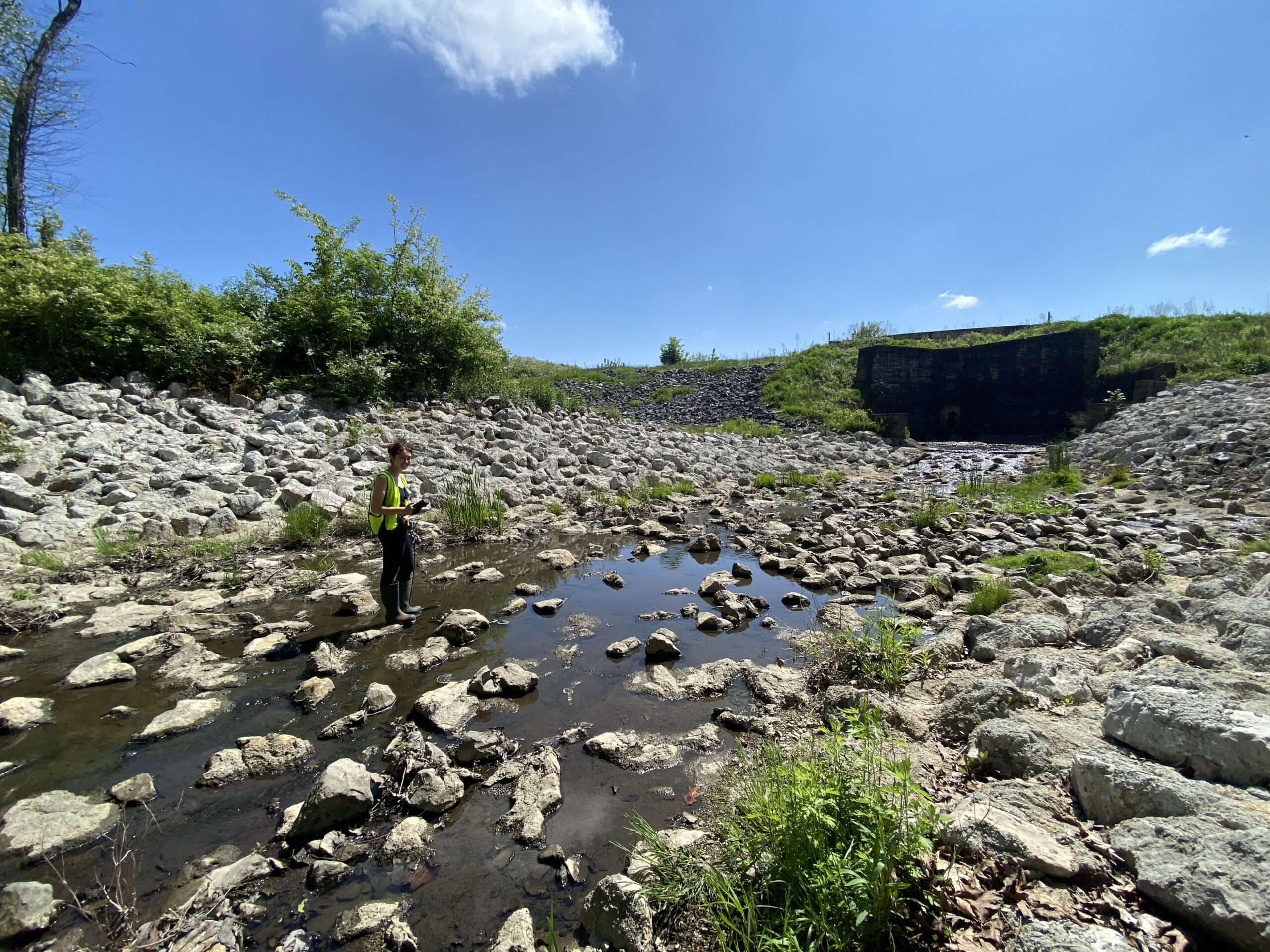
Response to USACE Request for public comment on NEORSD Doan Brook Restoration at Horseshoe Park – Approved by DBWP Board...
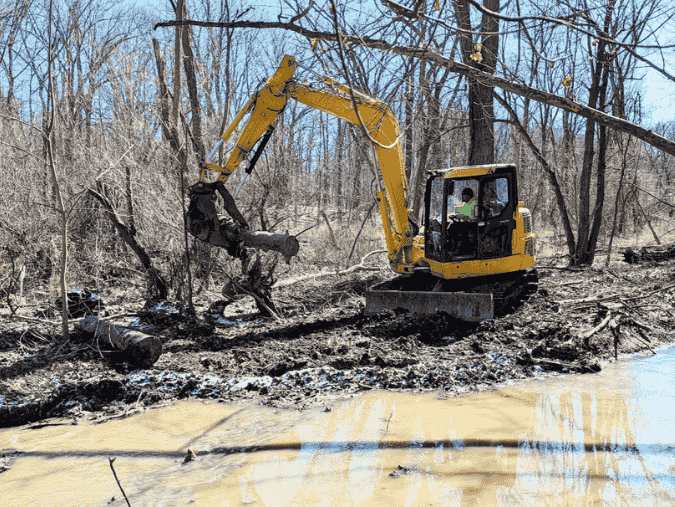
Stream work Peter Bode, the center’s president and chief executive officer, says that the much-needed stream work has nothing to...
SHAKER HEIGHTS, Ohio — Construction bids have been pushed back to the spring on the $32 million Horseshoe Park project...