



Table of contents

 Share
Share
Cleveland’s Doan Brook may be small, but its impact runs deep. Flowing through neighborhoods, parks, and universities, this little stream touches thousands of lives, often without them realizing it. For decades, it faced the same threats as many urban waterways: neglect, pollution, and overdevelopment.
Restoration isn’t just about rocks, roots, and runoff. It’s about people, those who live near the brook, learn from it, work to heal it, and find moments of peace along its banks. At DBWP, every project aims to create a healthier watershed and a stronger connection between communities and nature.
So what does that work actually look like? Here are five key ways DBWP is transforming the city.
1. We’re restoring natural flow
DBWP is reconnecting the Doan Brook to its floodplain in places like Sowinski Park to reduce erosion, manage stormwater, and restore habitat for wildlife.
2. We’re helping neighborhoods handle stormwater
Green infrastructure like rain gardens, bioswales, and tree trenches are protecting water quality and preventing overflows across the watershed. Recent examples:
- Rain gardens at Rice Library and Ashbury Greenway
- Permeable surfaces in Cleveland Heights
- Community tree planting at Rockefeller Park
3. We’re educating the next generation
DBWP partners with schools, libraries, and community groups to teach watershed science and stewardship in creative, hands-on ways. Highlights from 2024:
- 17 school visits
- 6 student-led plantings
- 4 water testing workshops
Etiam ultricies nisi vel augue. Curabitur ullamcorper ultricies nisi. Nam eget dui. Etiam rhoncus.
4. Volunteer support and impact
To keep programs running and restoration projects moving, DBWP relies on the generous support of its community volunteers. In 2024 alone, more than 250 individuals contributed their time, tools, and energy to help care for the Doan Brook.
- Stream Cleanups: Volunteers removed over 3 tons of litter from critical creek sections.
- Planting Events: Native trees and shrubs were planted along flood-prone areas to stabilize banks and provide habitat.
- Community Outreach: Volunteers helped staff educational booths, lead family-friendly nature walks, and distribute stewardship materials at public events.
These efforts not only help DBWP meet its project goals but also strengthen local ownership of the watershed’s wellbeing. Many participants return year after year, bringing friends, kids, and neighbors along with them.
5. We’re building connections to nature
Through events like Take to the Lake and Voices of the Brook, DBWP helps people explore the stream, share their stories, and build a sense of place. These programs invite reflection, celebration, and a deepened connection to the natural spaces right in our backyards. In 2024:
- 400+ people attended Take to the Lake
- 30+ community stories submitted to the Voices of the Brooks
What’s next?
Looking ahead, DBWP plans to deepen its restoration work in the Cleveland Heights and University Circle areas. The team is also pursuing new grant funding to expand its trail system and enhance public access to the brook. Another priority is supporting climate resilience by increasing canopy cover in heat-vulnerable neighborhoods. These goals are ambitious, but with ongoing community support, they are within reach.
Explore the 2025 Annual Report
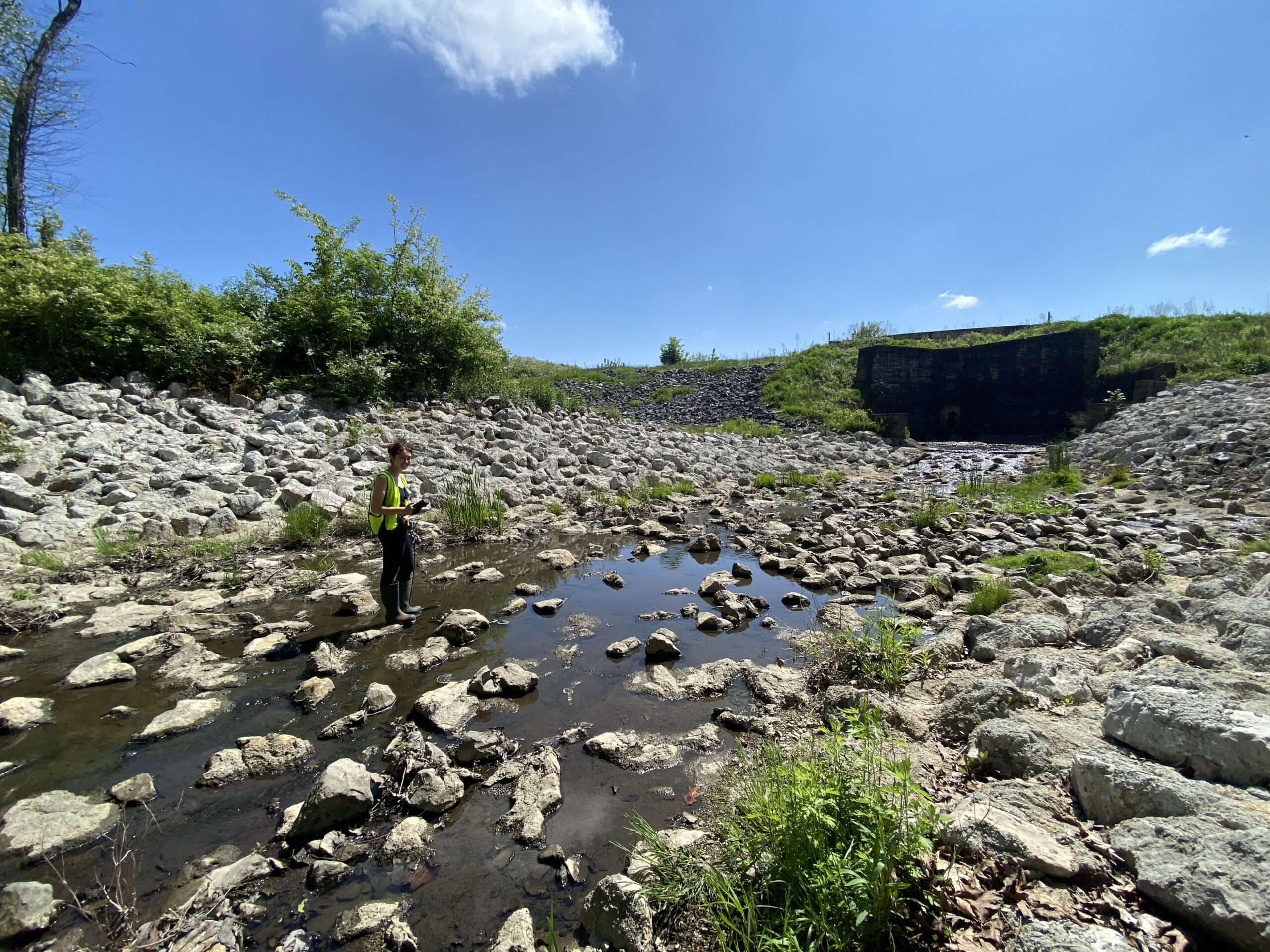
Response to USACE Request for public comment on NEORSD Doan Brook Restoration at Horseshoe Park – Approved by DBWP Board...
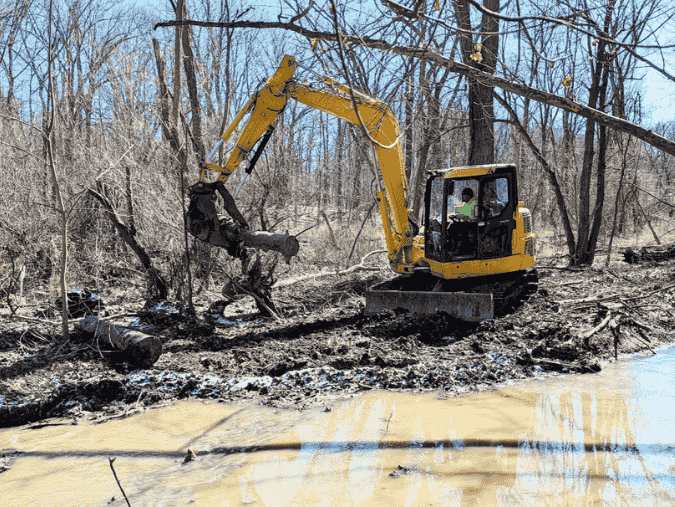
Stream work Peter Bode, the center’s president and chief executive officer, says that the much-needed stream work has nothing to...
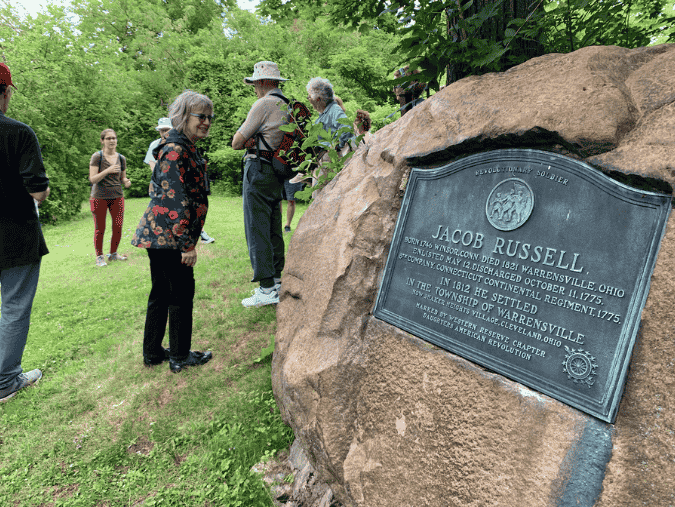
SHAKER HEIGHTS, Ohio — Construction bids have been pushed back to the spring on the $32 million Horseshoe Park project...