



Table of contents
- No headings found.

 Share
Share
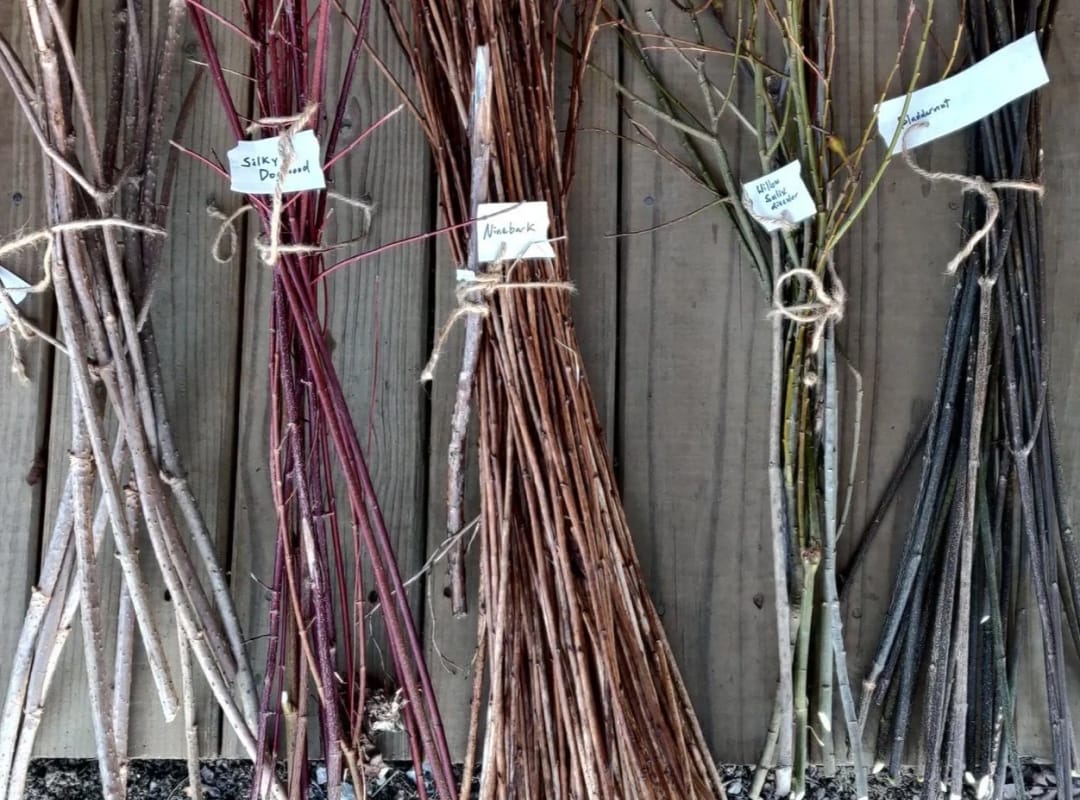
Live staking is a method of restoring vegetation on stream banks or shorelines. Cuttings from dormant woody plants are directly planted into the ground, allowing them to root and grow into trees or shrubs. We use live staking to stabilize eroding stream banks that have lost vegetation from heavy rains, rapid snowmelts, and other environmental disturbances. As live stakes grow, they establish a root network in the stream bank, helping to hold soil in place, absorb rainwater, and filter pollutants. This prevents further erosion and soil loss while also providing biodiversity and habitats for wildlife.

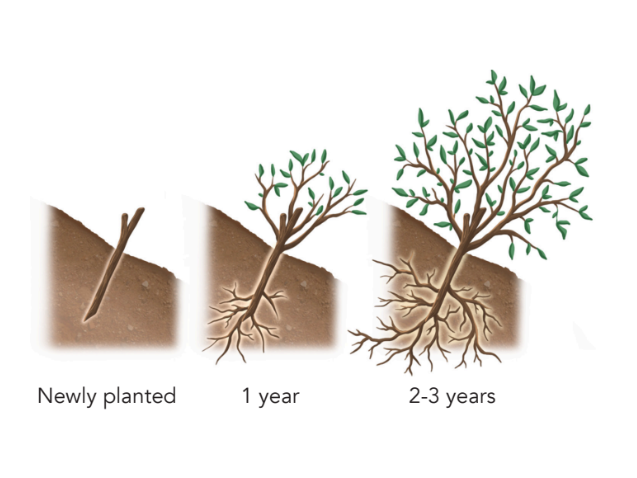
Planting Live Stakes, Step by Step
- Choose your site and species
Select a damp, unstable bank and confirm the plants you are using are native species. - Create a pilot hole
Use a metal rod or mallet to form a hole at least 12 inches deep, or deep enough to bury two to three nodes of the cutting. - Plant the stake
Insert the butt end into the soil and firm the soil around it so that about two thirds of the stake is underground. - Mind your spacing
Place stakes every 2 to 3 feet along the bank to allow roots to establish and stabilize soil. - Record your work
Note the number of stakes and species used at each location. - Share your data
Email a photo of your completed data sheet to DBWP so your site can be added to the tracking map. - We update the map
Our team compiles your information to visualize progress across the watershed.
Helpful Resources
Explore the 2025 Annual Report
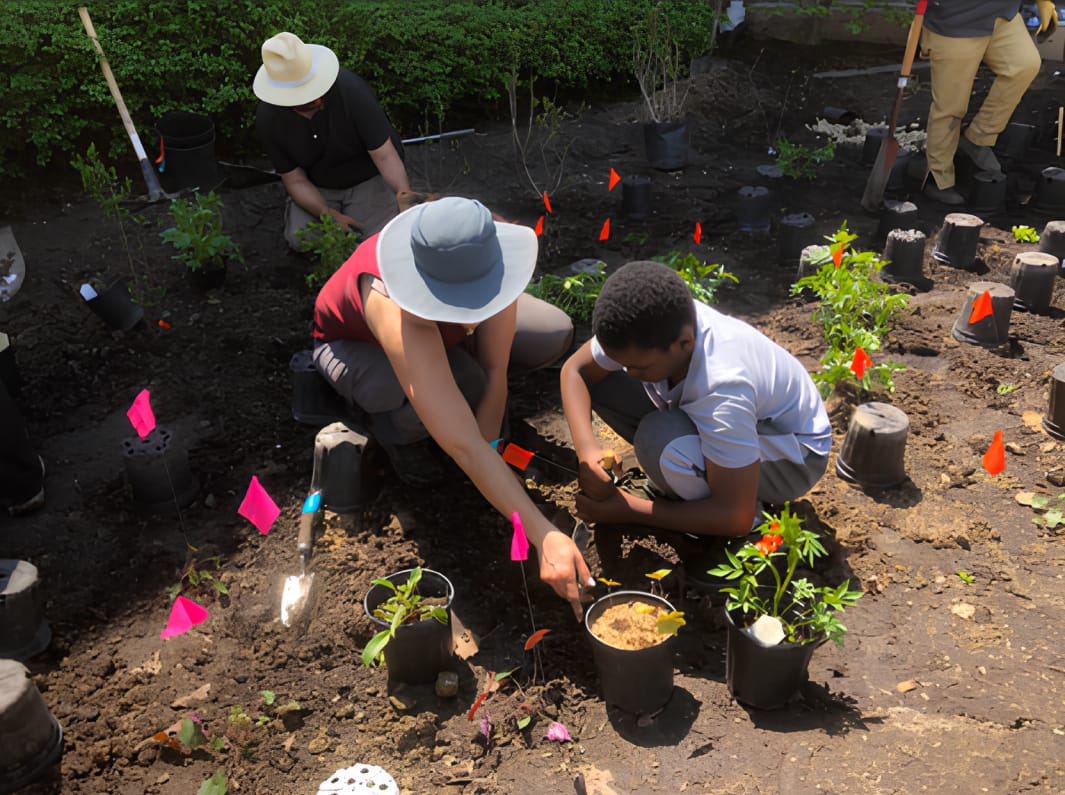
A youth volunteer and leadership program where everyone belongs.
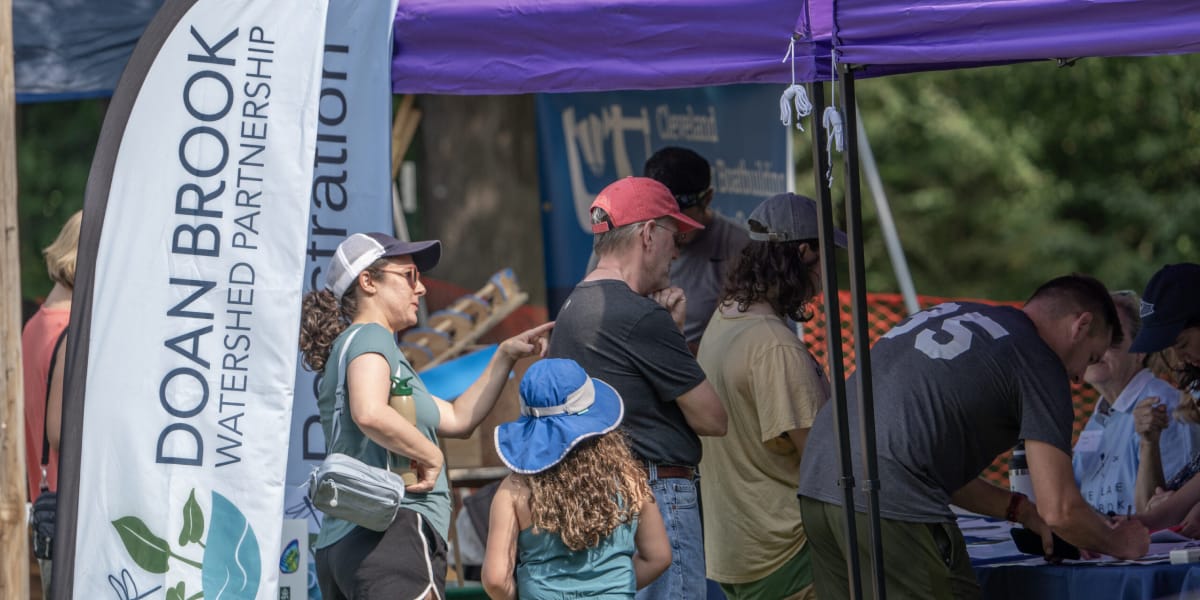
Interactive watershed lessons designed to build awareness, inspire action, and connect students with the brook.
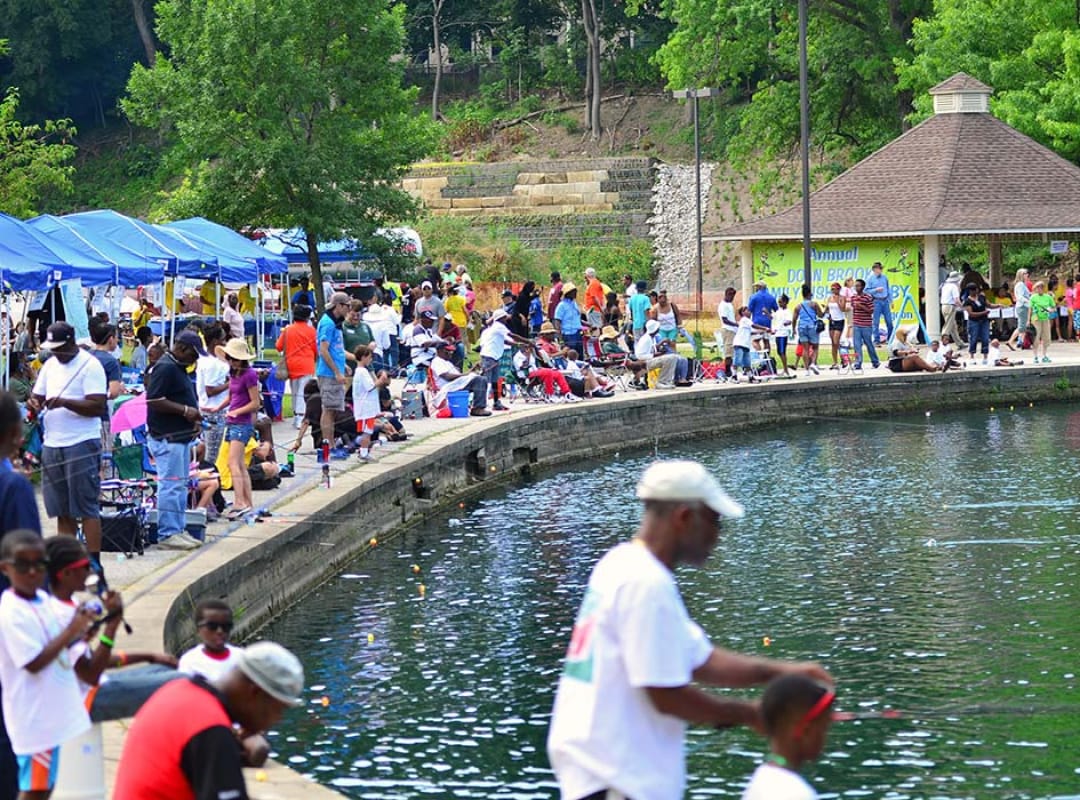
Celebrate a Cleveland tradition with fishing activities for all ages. Learn, connect, and enjoy the beauty of the Doan Brook.