



Table of contents

 Share
Share
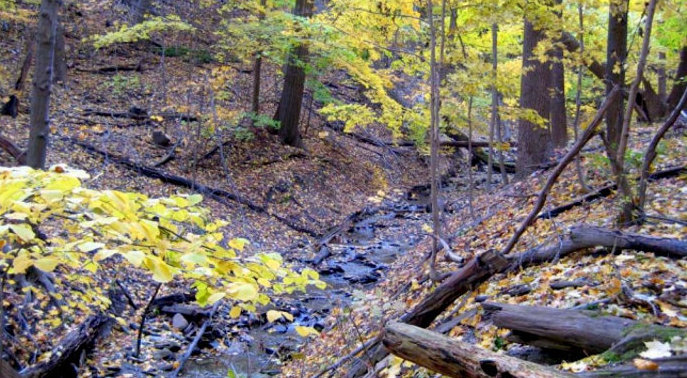
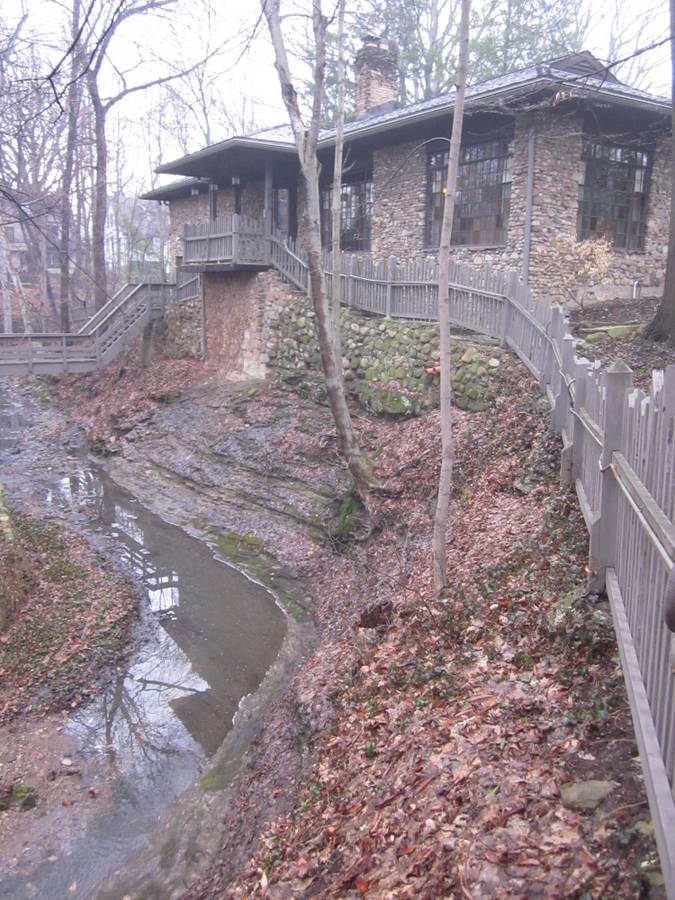
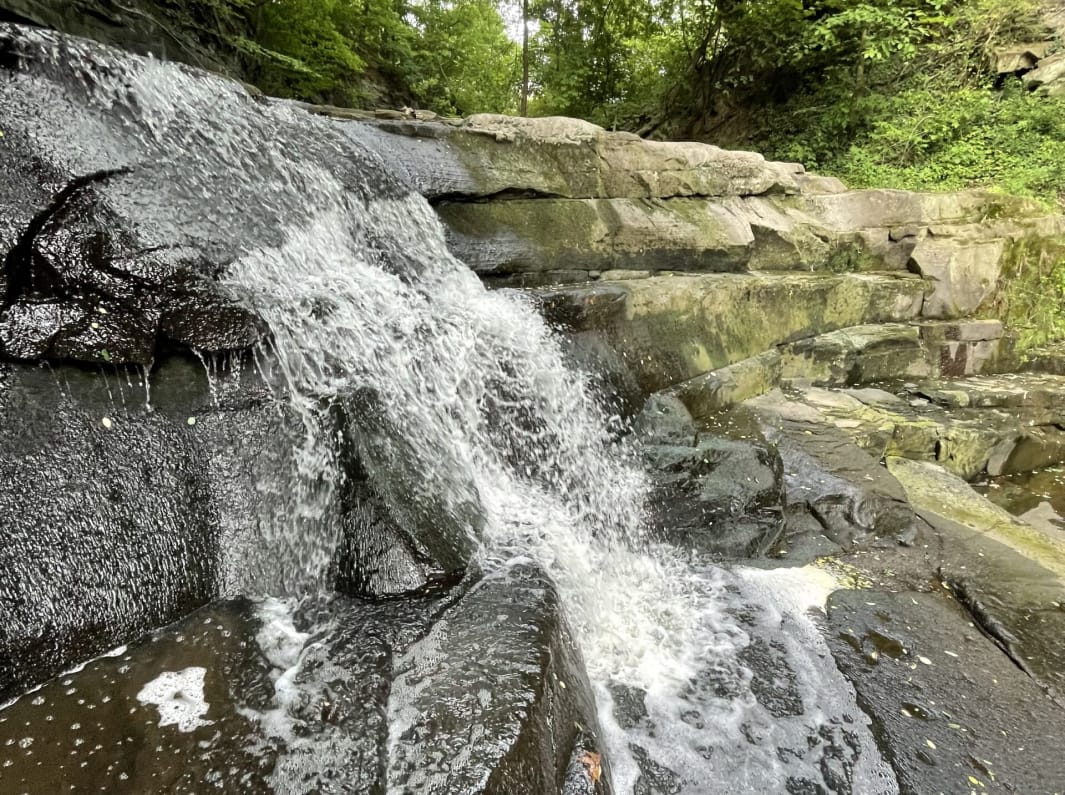
Flowing from the Heights to Lake Erie, Cleveland’s East Side waterways cut through many layers of bedrock. The resulting Portage Escarpment ravines were too deep, narrow, and steep for building. Early settlers logged them and left them as dead real estate. Sometimes, the cheap land was given to public school districts. During the early 1900s, residential neighborhoods and schools grew on ravines in Cleveland, East Cleveland, northern Cleveland Heights, and Euclid. But the basins now served as informal dumping grounds. Local septic and surface runoff polluted the small creeks. The ravines lost yet more value. Left alone for nearly a century, the ravines have reforested and developed local ecologies. Water quality has improved with local sewer upgrades. In the ravines, Heights students may now reconnect with forests and flowing water. Revitalizing the Ravines makes the connection!
Revitalizing the Ravines
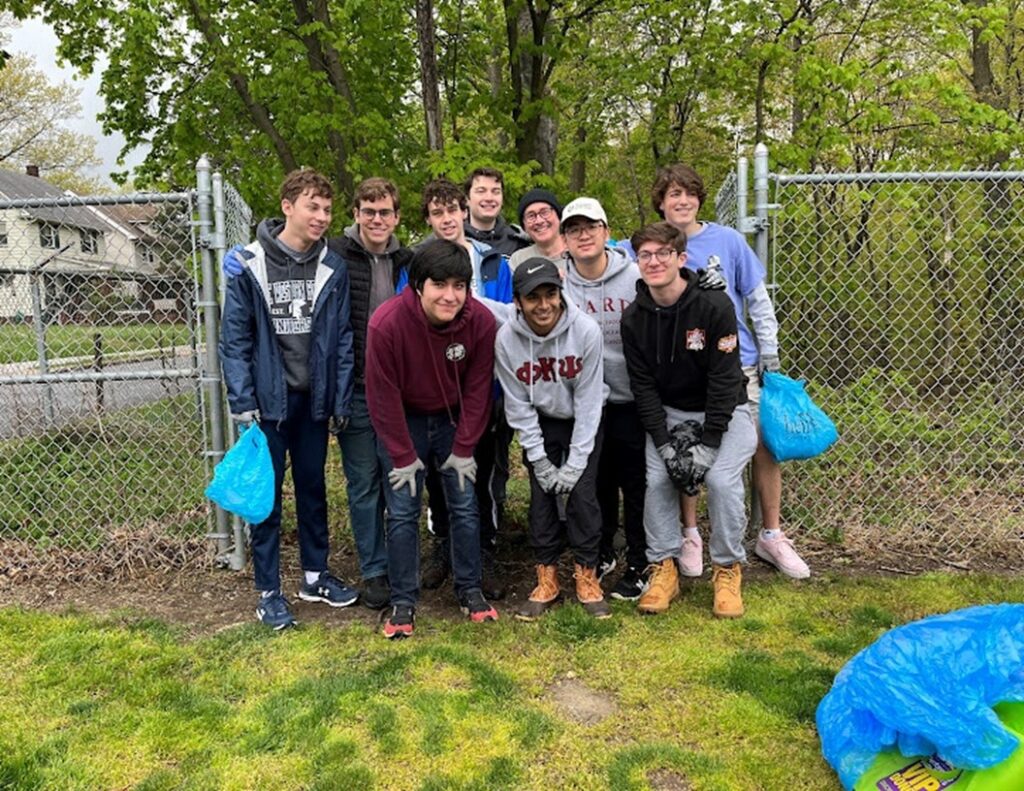
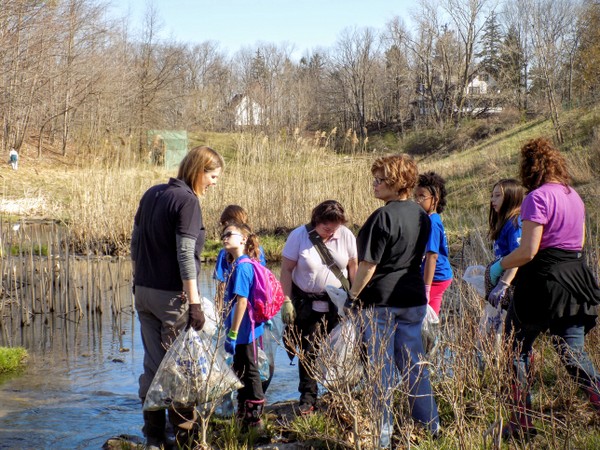
Revitalizing the Ravines connects public school students with neighborhood ravines. Through classroom learning and field stewardship, Northern Heights students learn about and care for the escarpment ravines of Dugway, Green, Lilly, Nine Mile, and Shaw. With student stewardship, the ravines may gain health. Engaged with nearby ravines, students gain a life-long attachment to local water and nature.
Ravine Trees
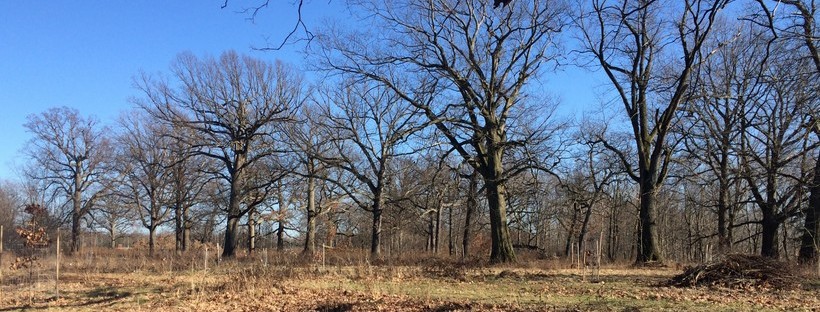
Trees are the largest living organisms in and around the ravines. Trees give beauty and health, and they draw us in to touch local nature. Revitalizing instills a love for native trees and for the greater Heights urban forest. Several tree species help us understand the richness of our urban ecology. Revitalizing students explore these trees and their ecosystem connections. Lessons learned in the ravine forests set the stage for stewarding the larger Heights urban forest.
Ravine Stewardship
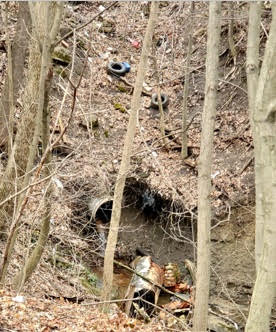
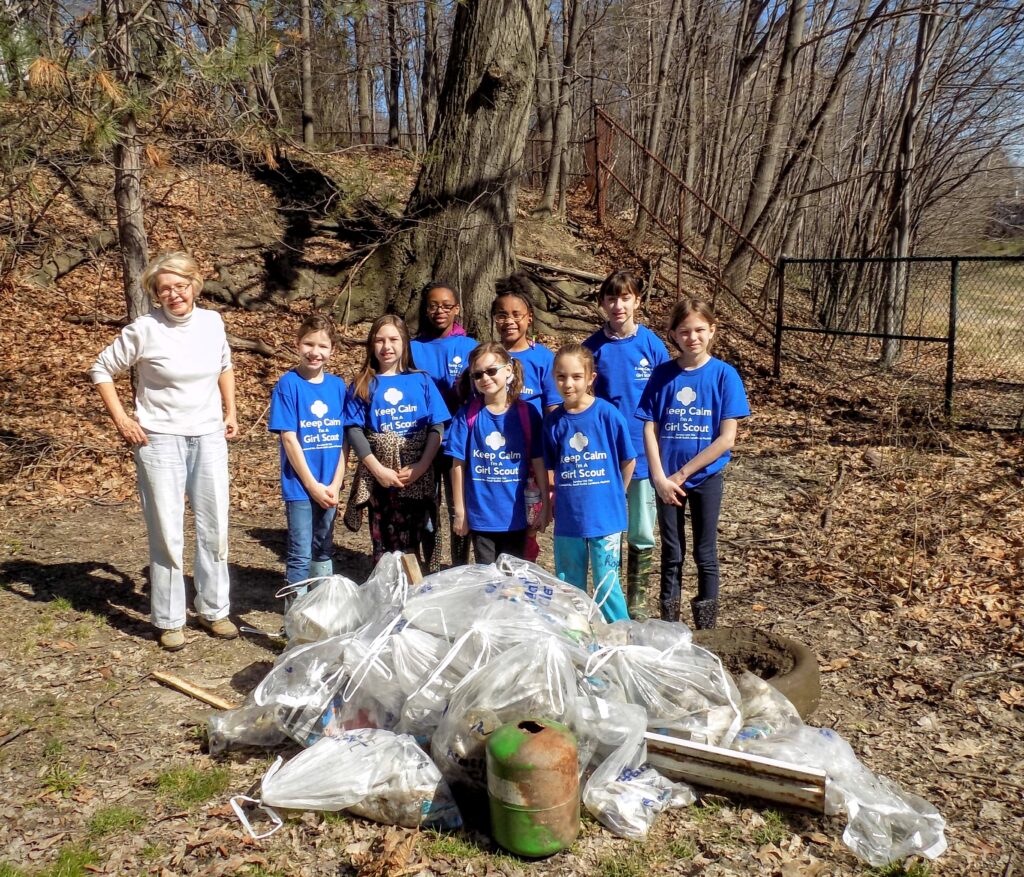
Spring and summer 2026 is Revitalizing time for public school students in Cleveland Heights-University Heights, East Cleveland, and Euclid. In-class instruction will introduce the ravines and their local ecologies, and how ravine health contributes to cleansing Lake Erie. With the basics in hand, stewardship events will be run in the escarpment ravines of Dugway, Shaw, Nine Mile, Green, and Lilly creeks. The climax is a field trip to the Lake Erie stream mouths in Bratenahl.
Revitalizing the Ravines Call to Action Calendar
Want to get involved with Revitalizing the Ravines? Check out this list of community events relating to the East Side ravines in 2026!
January
- 15: Immersive MLK Experience: Equity in Environmentalism, NCSL
- 17: Redstone Run ravine hike, Friends of Euclid Creek/Bluestone
- 22: Ripples of Plastic Film Screening/Discussion, Cedar-Lee, CSWCD
- 24: Nine Mile Creek gorge hike, DBWP/Bluestone
- 31: Winter Sowing Workshop & Seed Swap, SE City Hall, CSWCD
February
- 15: Naturalist Notebook, Loganberry Books, NCSL
- 21: Pancake Breakfast, NCSL
- 28: Winter Hike with GirlTREK, NCSL
March
- 30: 2026 Conservation Poster Contest Registration deadline, CSWCD
April
- 25: Dugway Brook Stream Sweep, DBWP, Bluestone & CHGT
May
- 9: Nine Mile Gorge Escarpment Ravine Hike, DBWP & Bluestone
Program Partners
The Revitalizing the Ravines project is financed in whole or in part through a subaward from the Ohio Lake Erie Commission, with moneys provided from a United States Environmental Protection Agency grant. The contents and views, including any opinions, findings, conclusions, or recommendations, contained in this project, product or publication are those of the authors and have not been subject to any Ohio Lake Erie Commission or United States Environmental Protection Agency peer or administrative review and may not necessarily reflect the views of the Ohio Lake Erie Commission or United States Environmental Protection Agency, and no official endorsement should be inferred. CRWP is the project sponsor. Bluestone Conservation is the project implementor. The Doan Brook Watershed Partnership is providing administrative assistance in the project service area. Long Division Creative is producing video content for the in-classroom educational program and for sharing program results. This web presentation is part of the grant deliverables.
Explore the 2025 Annual Report

Gathered public input on the watershed and used feedback to guide project decisions and community engagement.
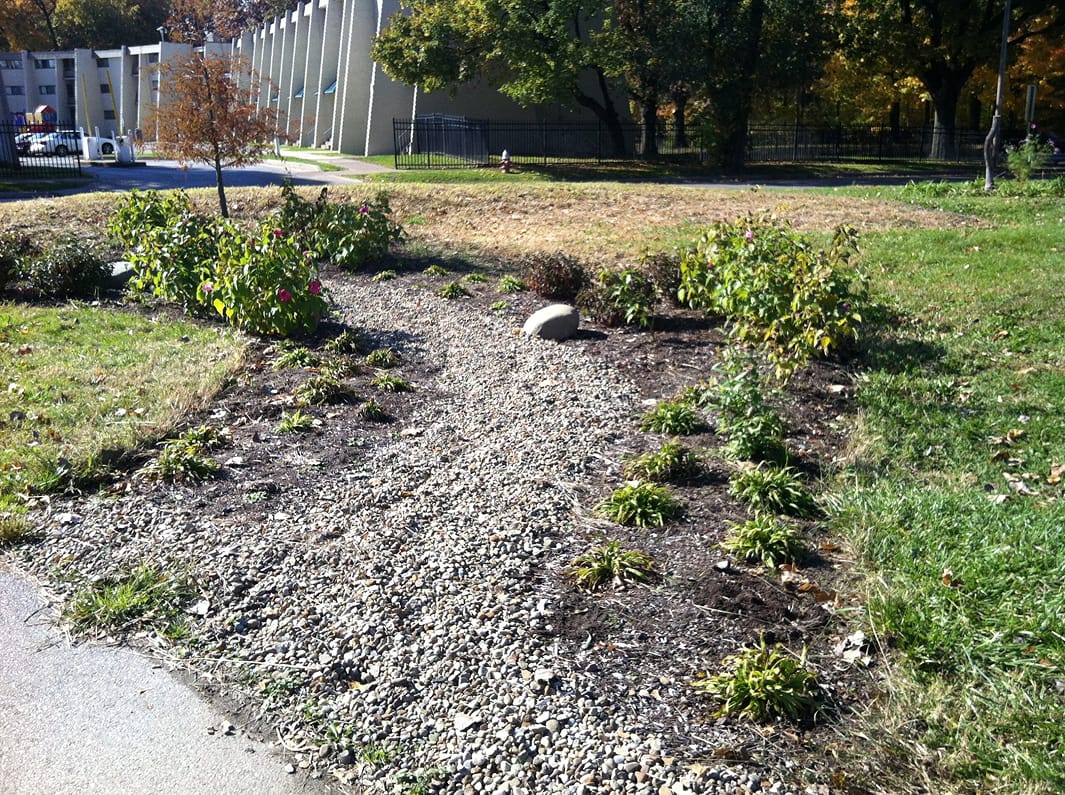
Developed community-led rain gardens and bioswales to reduce runoff and support youth education on ecology.